

This is part of a five-part series exploring hydraulic elevator modernizations, the major components of a hydraulic elevator and when to plan for modernization.
Part 1: What is a Hydraulic Elevator Modernization?
Part 2: What is a Hydraulic Elevator Modernization? Controller.
Part 3: What is a Hydraulic Elevator Modernization? Fixtures.
Part 4: What is a Hydraulic Elevator Modernization? Door Equipment.
Part 5: What is a Hydraulic Elevator Modernization? Hydraulics.
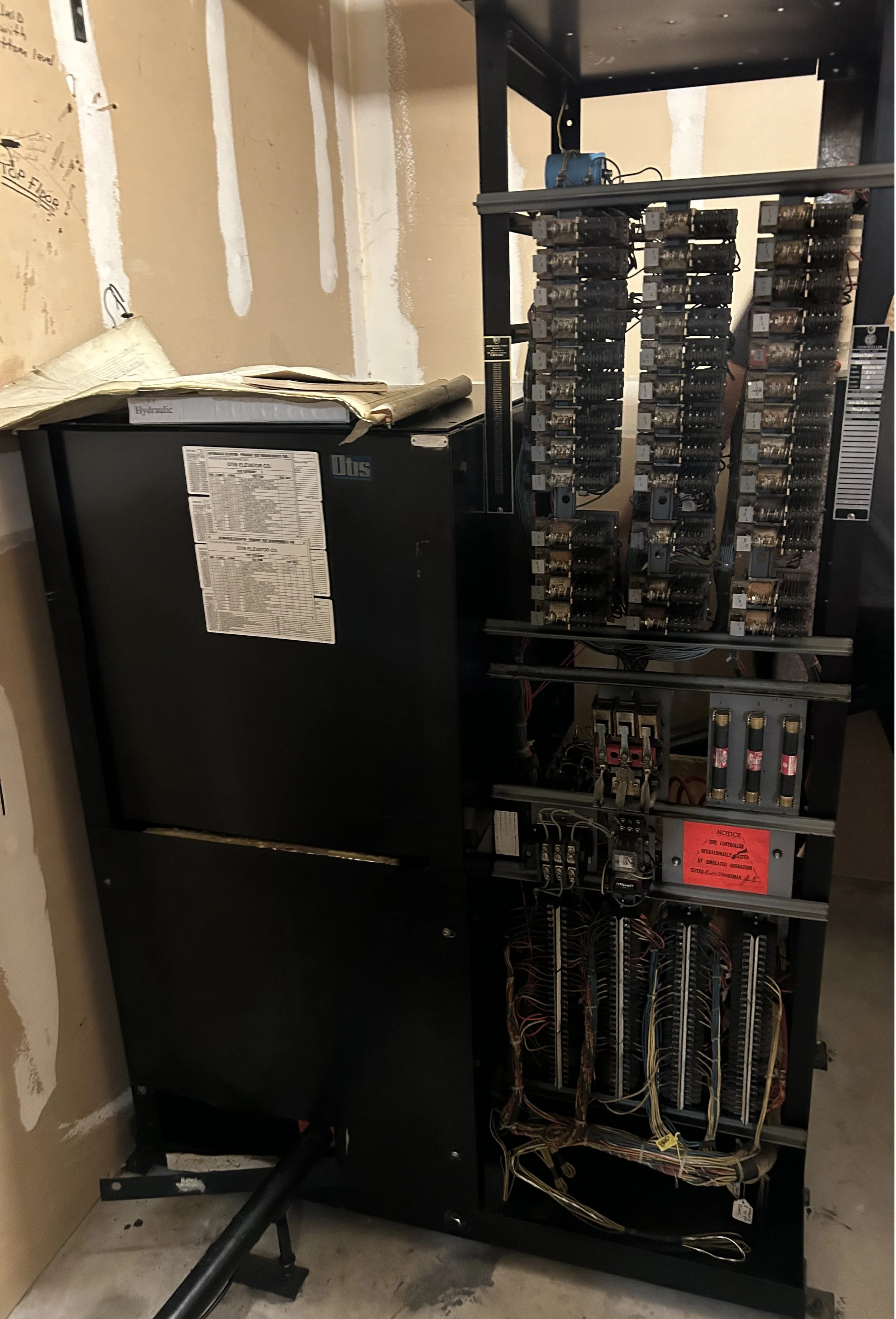
What is the elevator controller? The controller is the brains of the elevator. It is located in the elevator machine room. When you press an elevator button, that signal goes to the controller, which controls all the functions that allow the elevator to safely transport you to your destination. It tells the doors when to open and close, the power unit what direction and speed to travel, when to send power to the motor, what audio and visual indicators should engage, etc. And it all does this while monitoring multiple safety systems. Original elevators were controlled with relays and contacts only. In the 1970s, printed circuit boards were introduced. Then technology transitioned to microprocessor-based controls starting in the mid-1980s.
When should I upgrade my controller (AKA Modernize)? Ultimately, you know you building the best and should decide when the time is right. To make the decision. To me, just because an elevator is old does not mean you should immediately upgrade it. You need to gather some information.
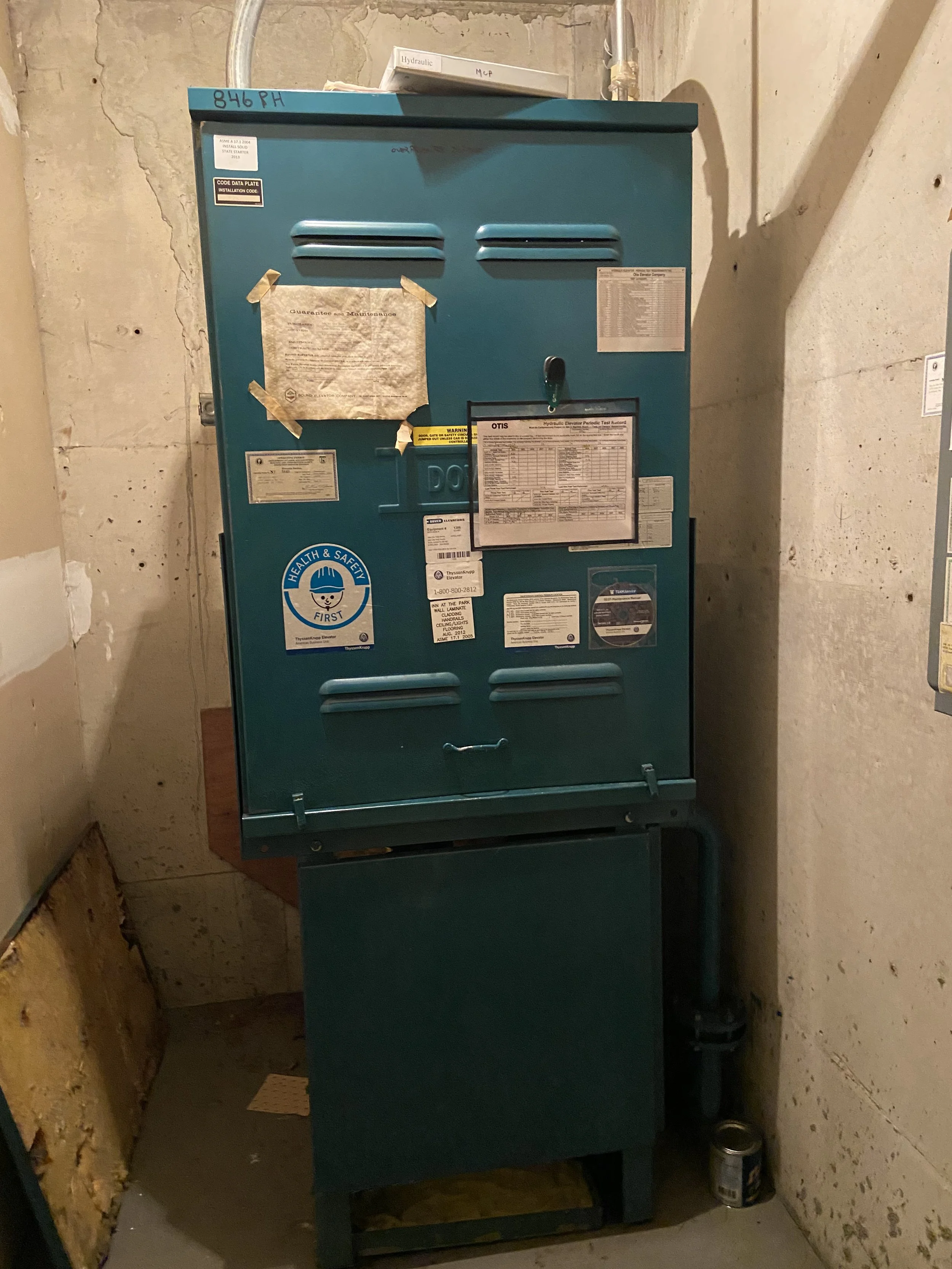
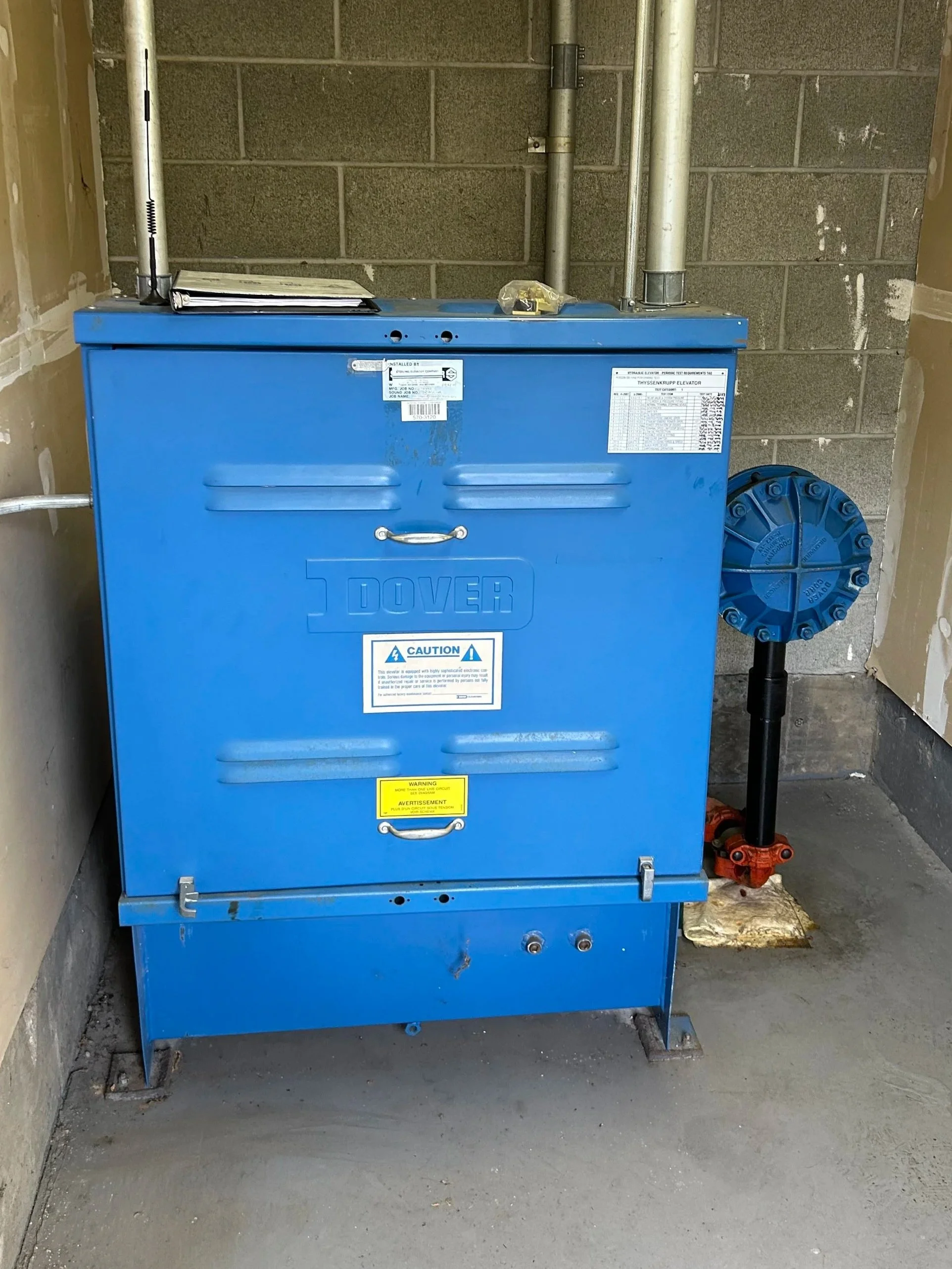
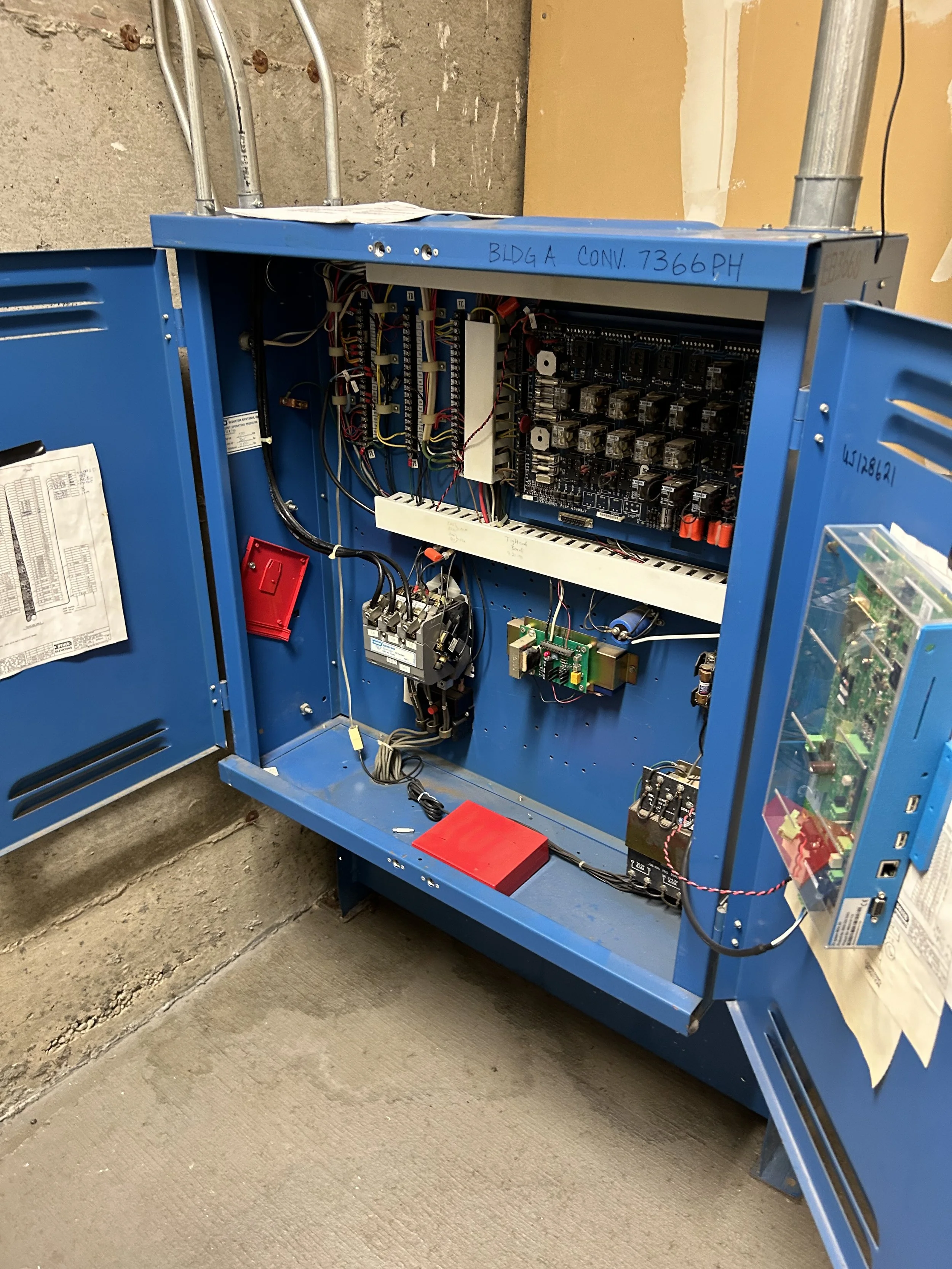
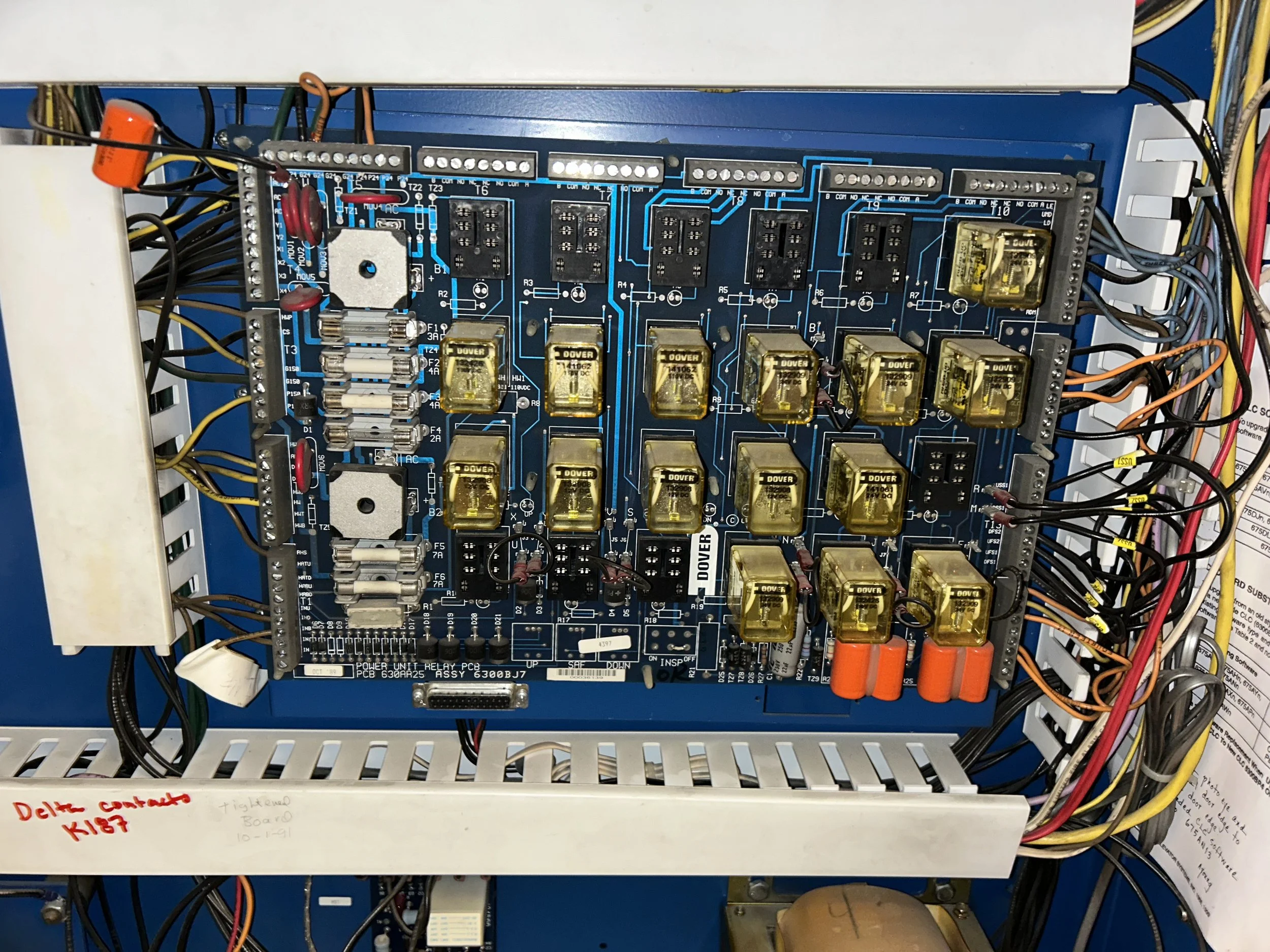
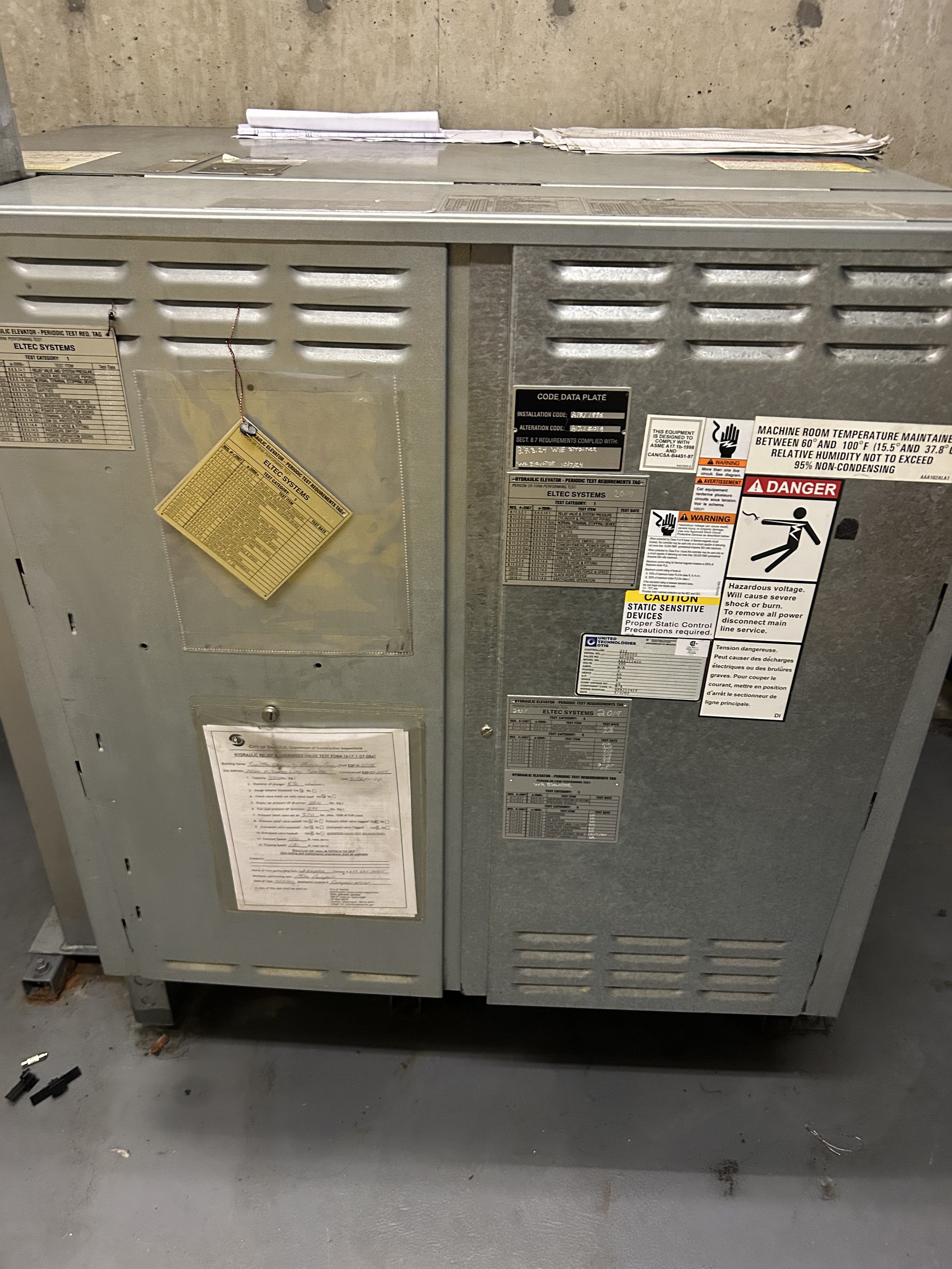
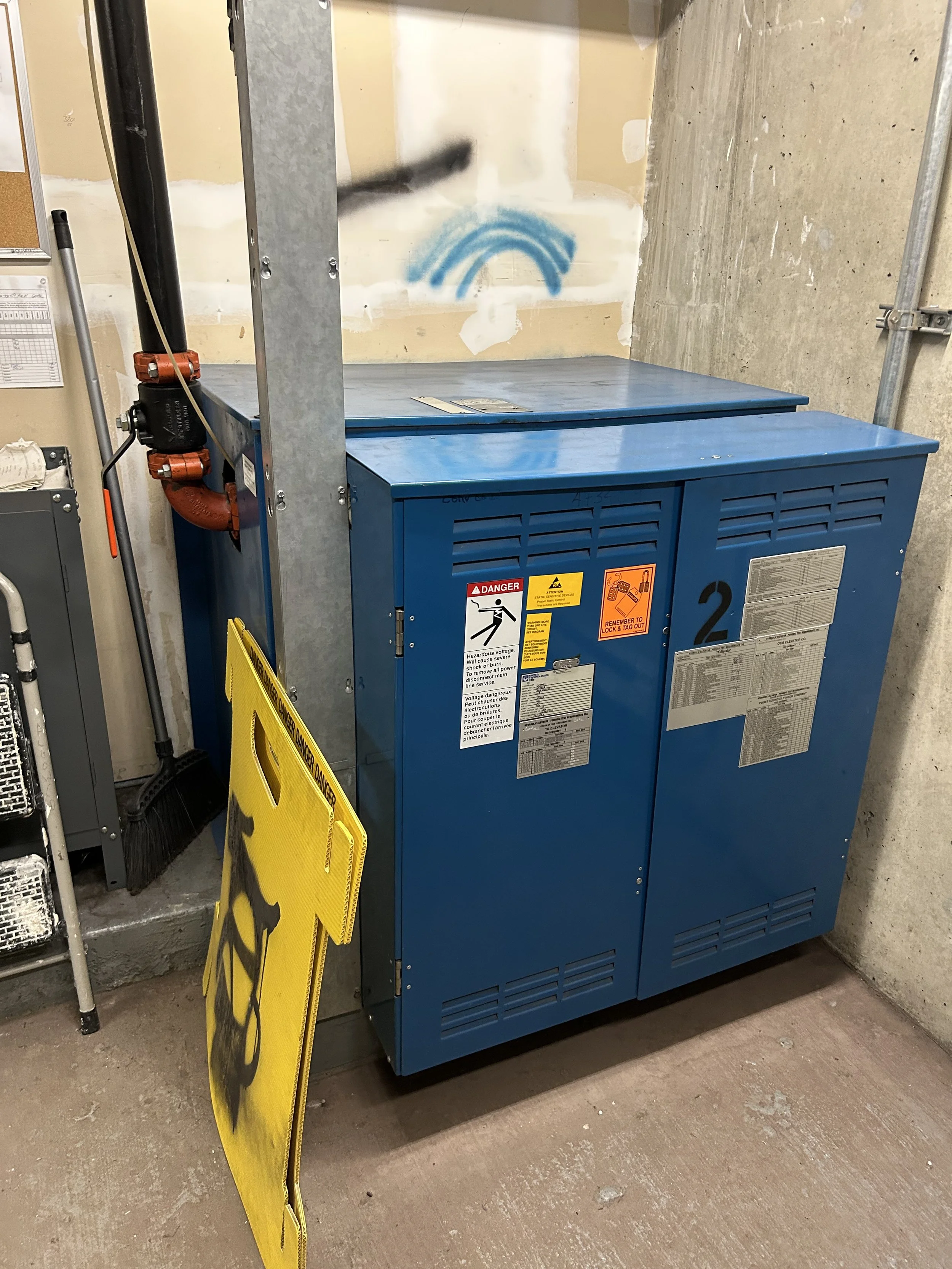
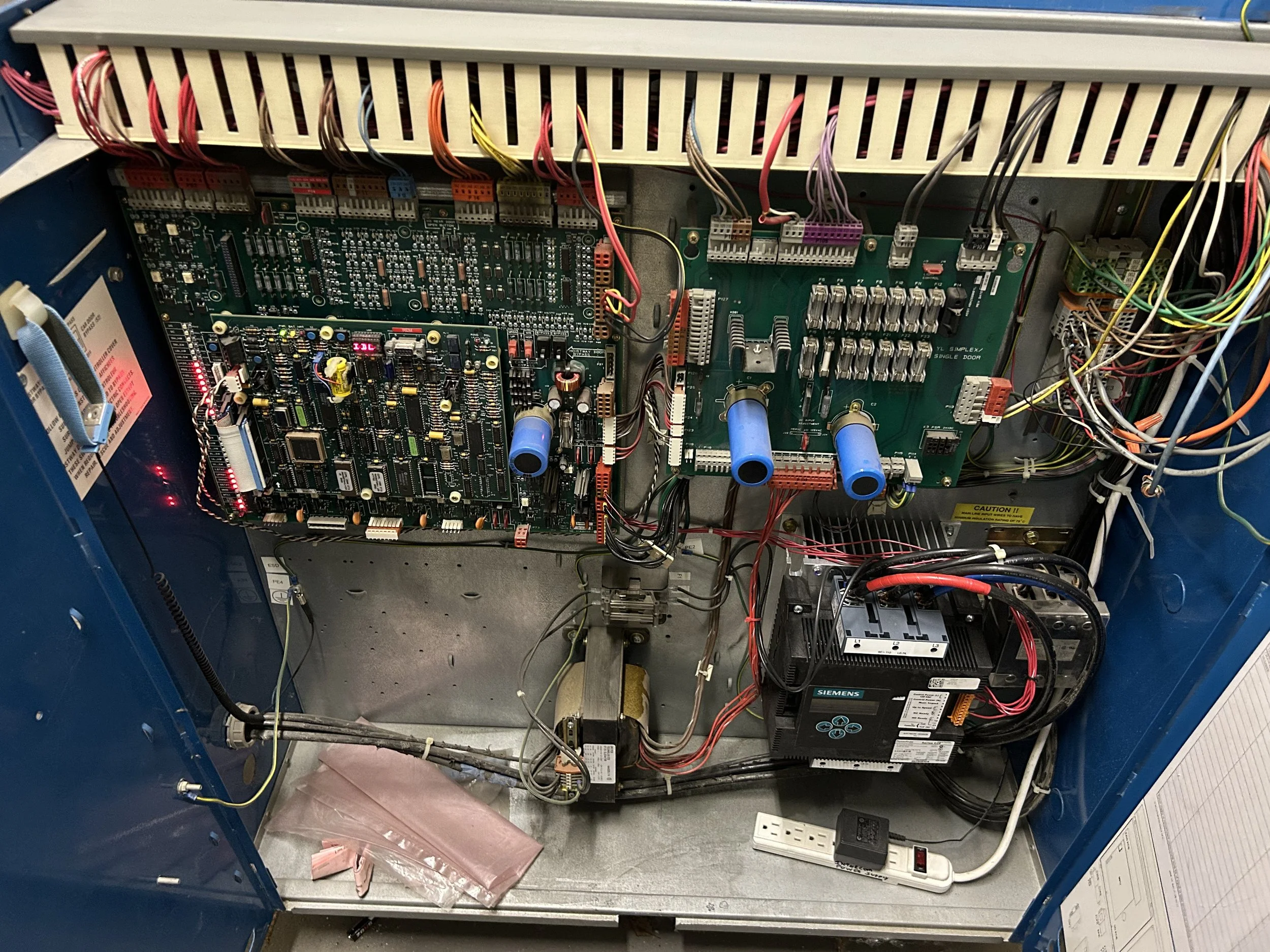
ELEVATOR CONTROLLER. What type of elevator controller do you have? Certain OEMs (Original Equipment Manufacturer’s) have deemed their equipment obsolete and are no longer supporting it. These include Dover “4-slot”, Dover “DMC”, Otis “LRV”, Otis “211” and more. These types of controller are extremely common in Western Washington.
OBSOLESCENCE. If your controller is considered obsolete, that means the OEM is no longer supporting it. But that doesn’t mean all is lost. There are often third-party supplies that offer replacement parts or can repair parts. It’s important to understand what your options are.
DOWN TIME. Third-party suppliers might not be as fast as purchasing directly from an OEM, especially if a repair is involved. Ask what the down time would be associated with the various repair or replacement options.
RISK TOLERANCE. If your elevator is rarely used and you can accept the potential downtime above, you might be OK with delaying a modernization. Alternatively, if your elevator is absolutely critical to your building’s operation and the potential downtime would be unacceptable, it might be time to start exploring a modernization.
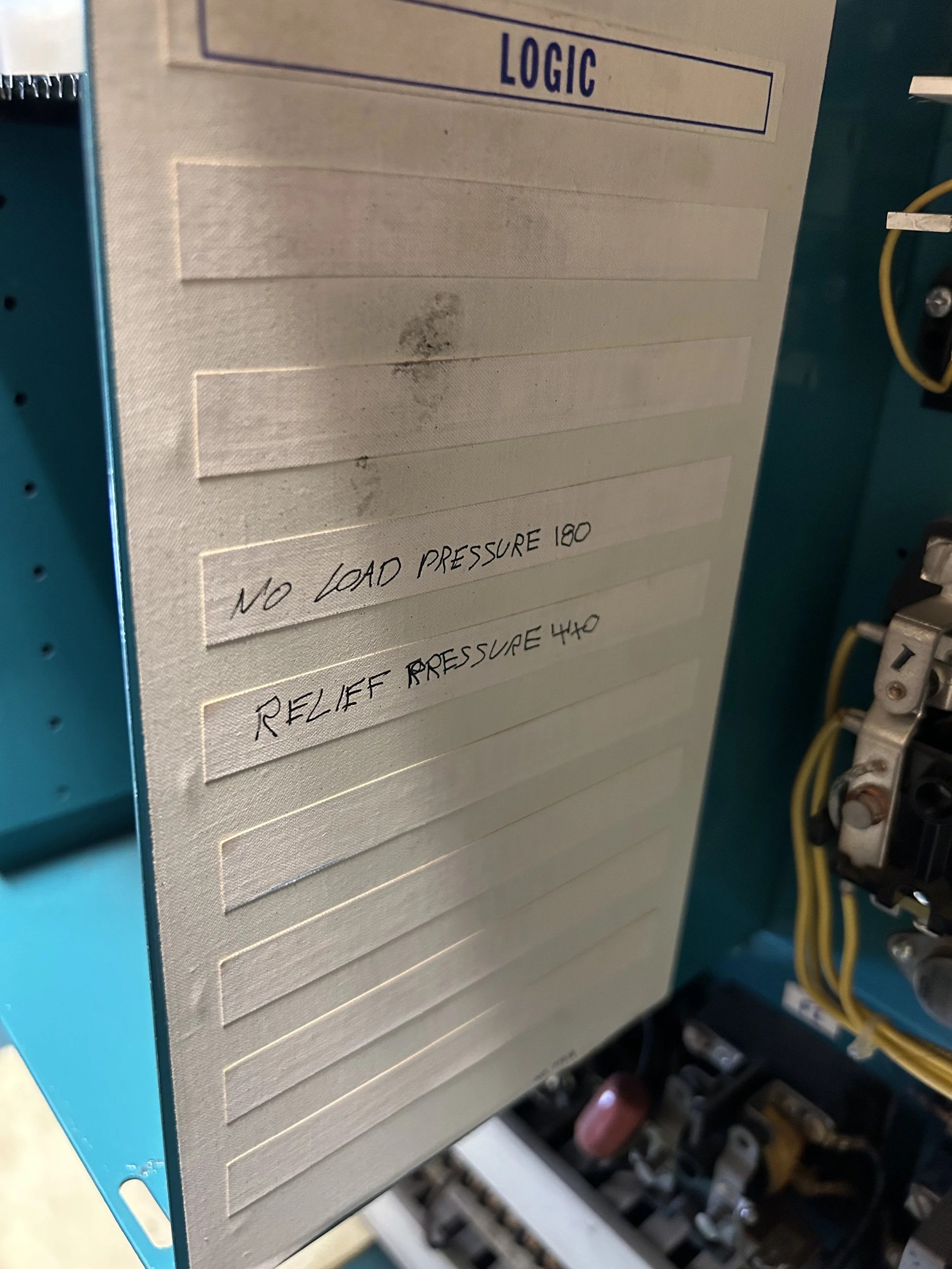
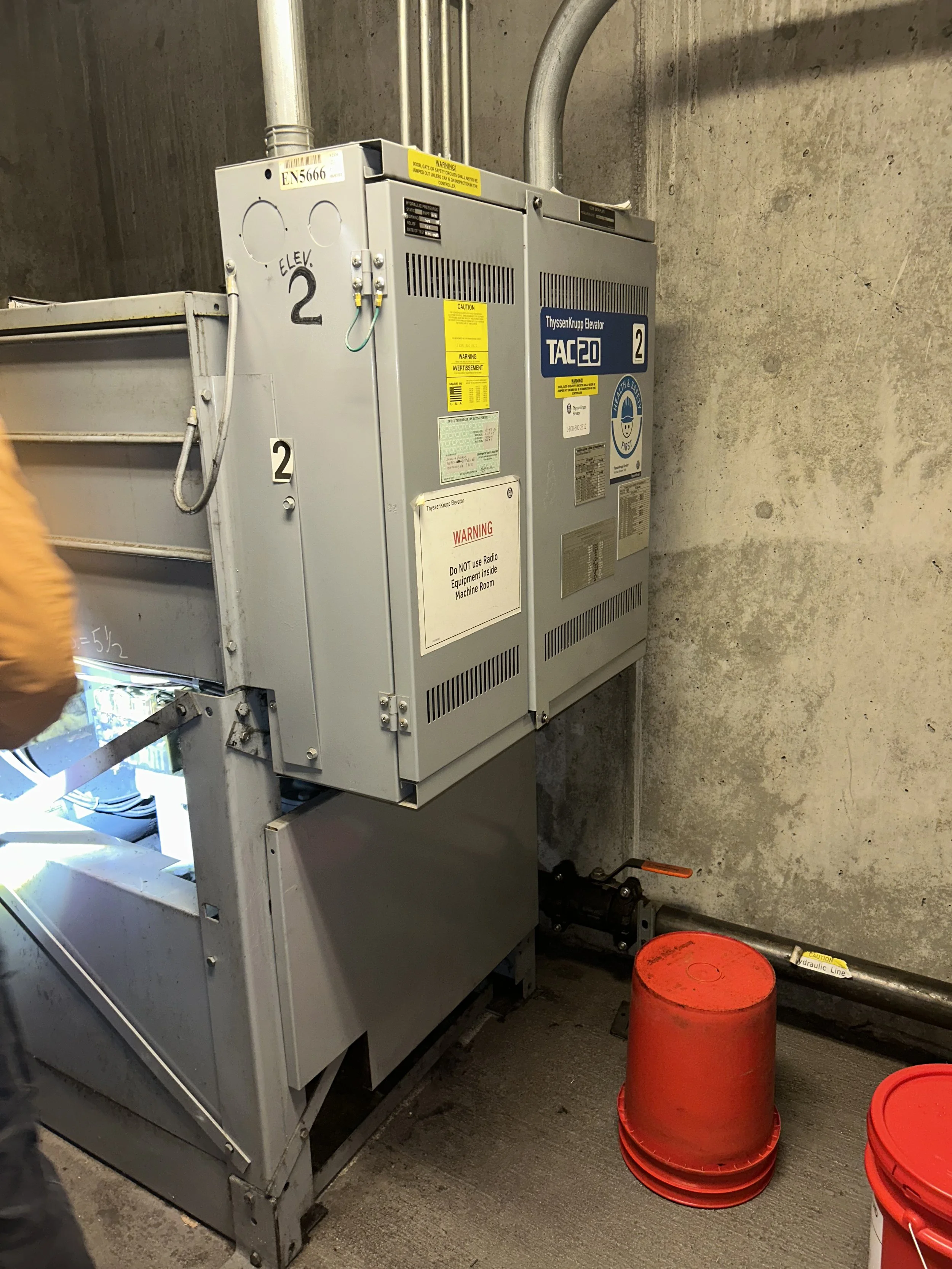
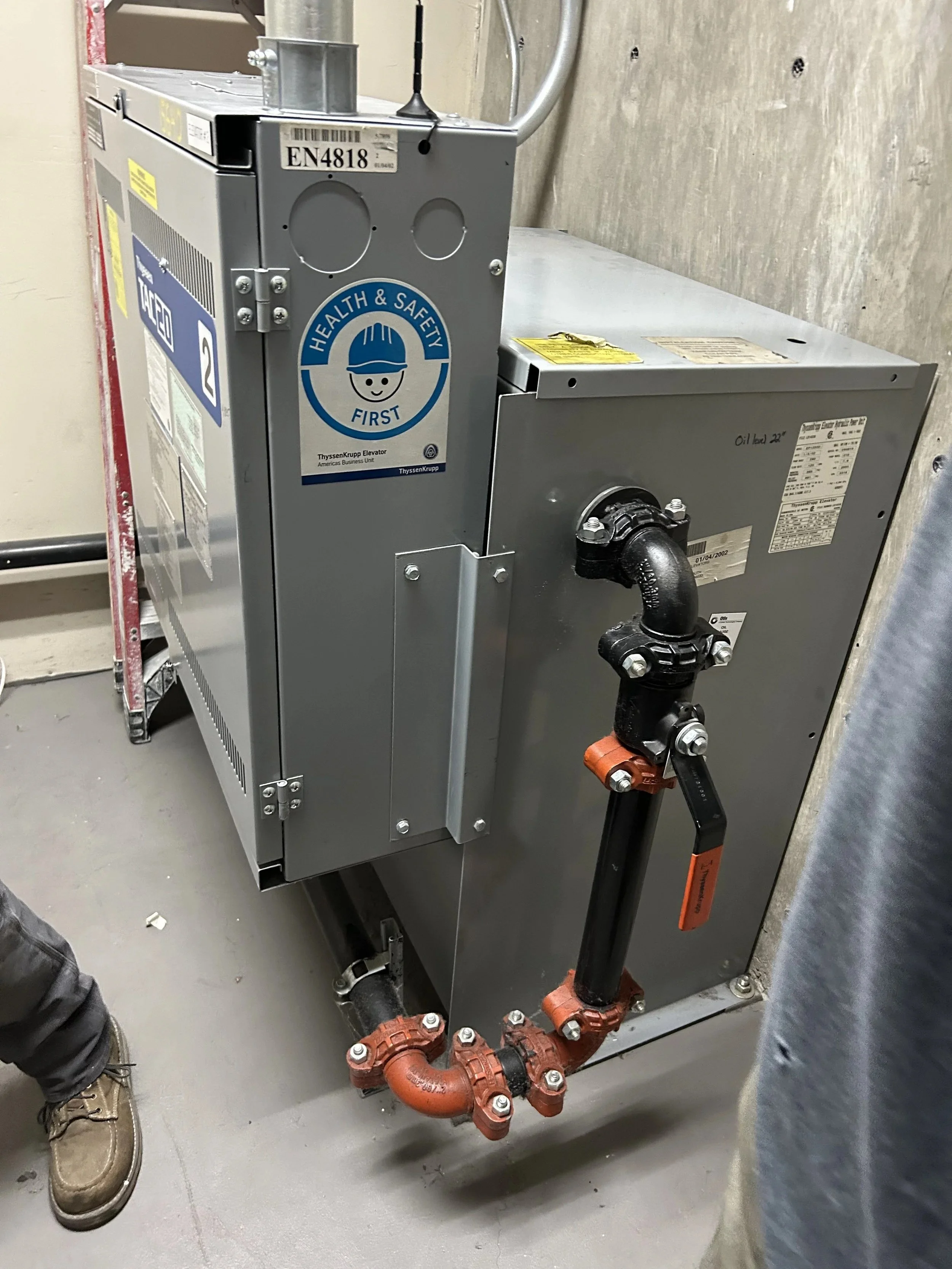
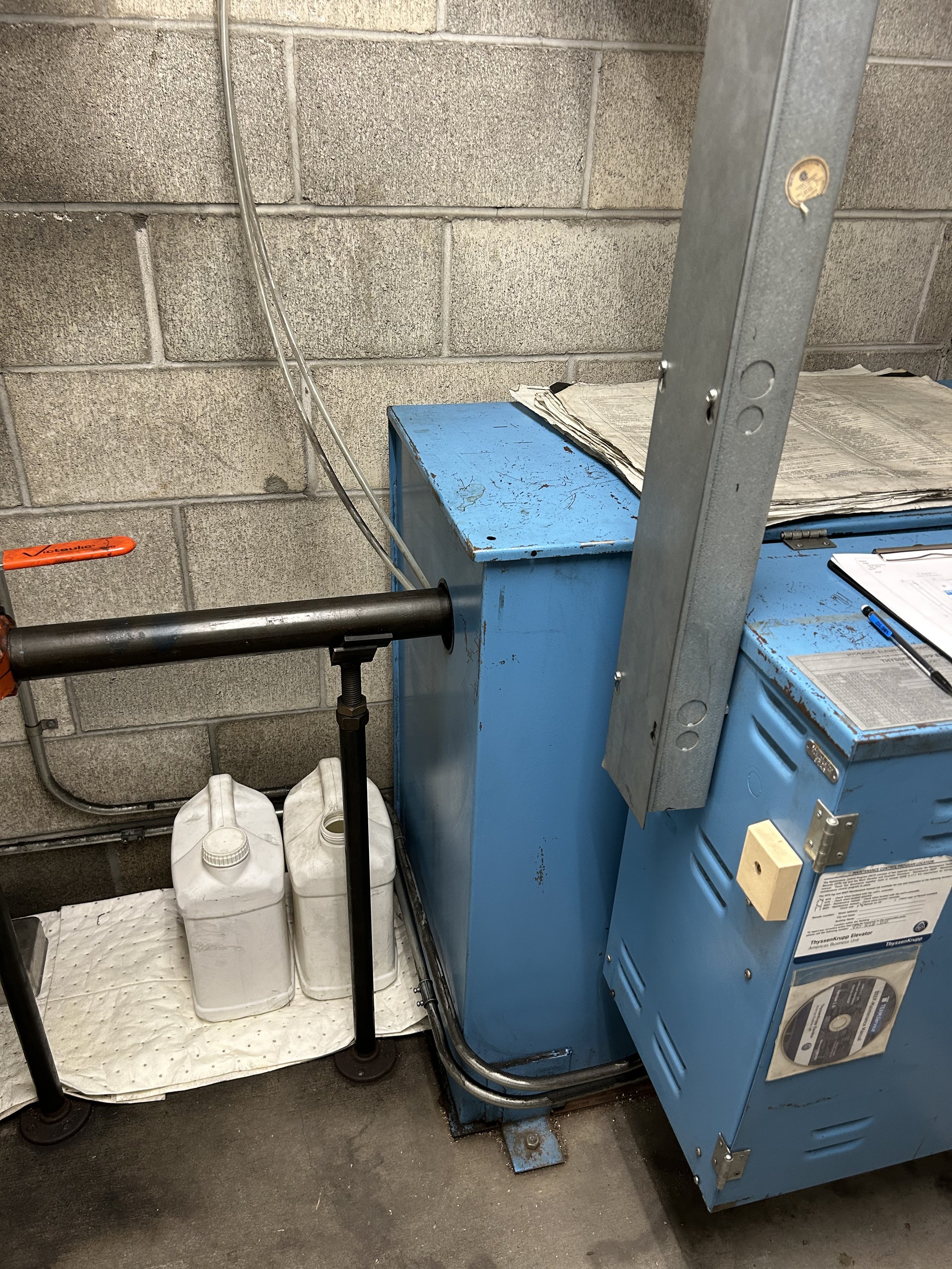
Here are examples of elevator controllers that should be considered for modernization.
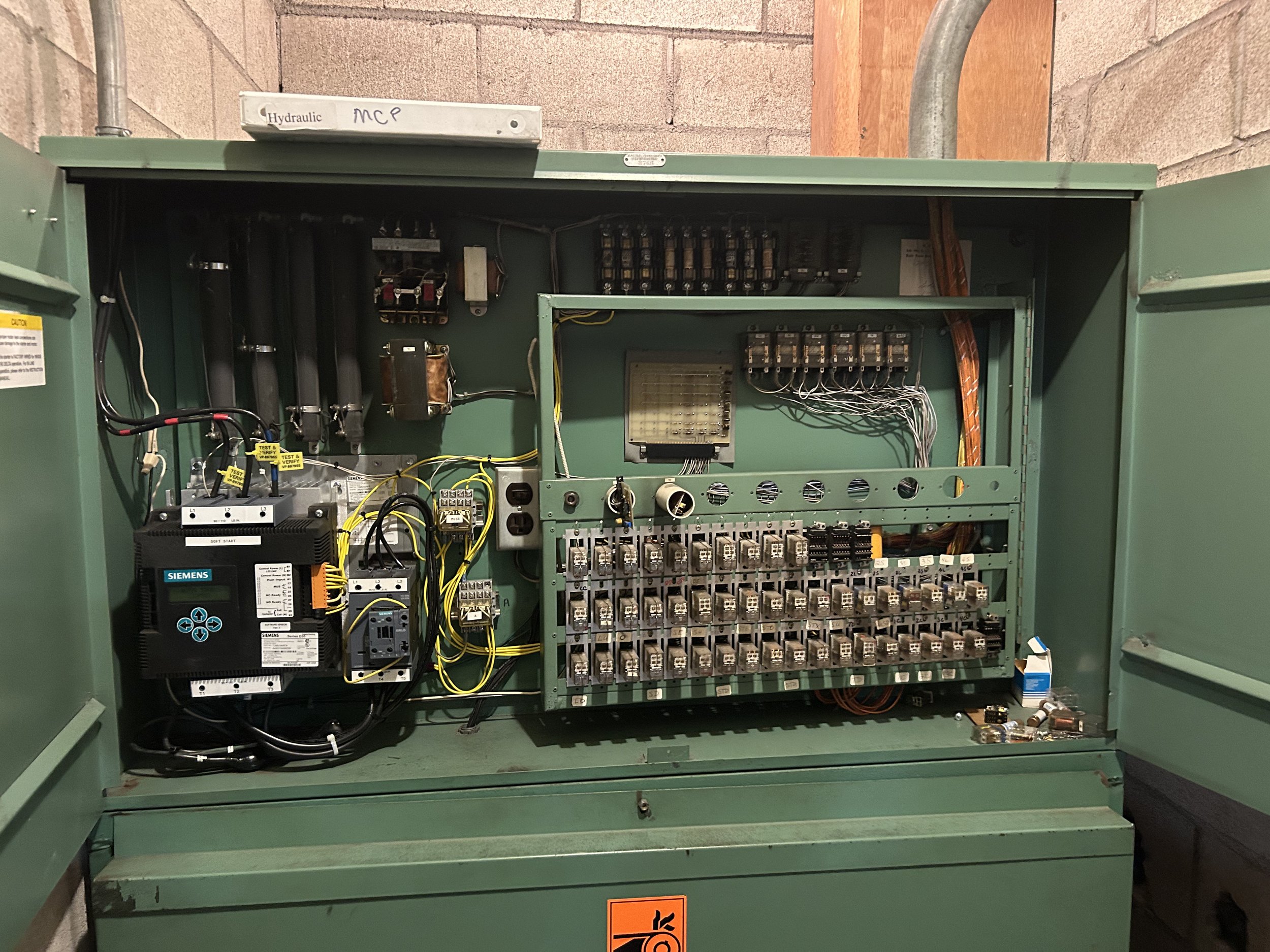
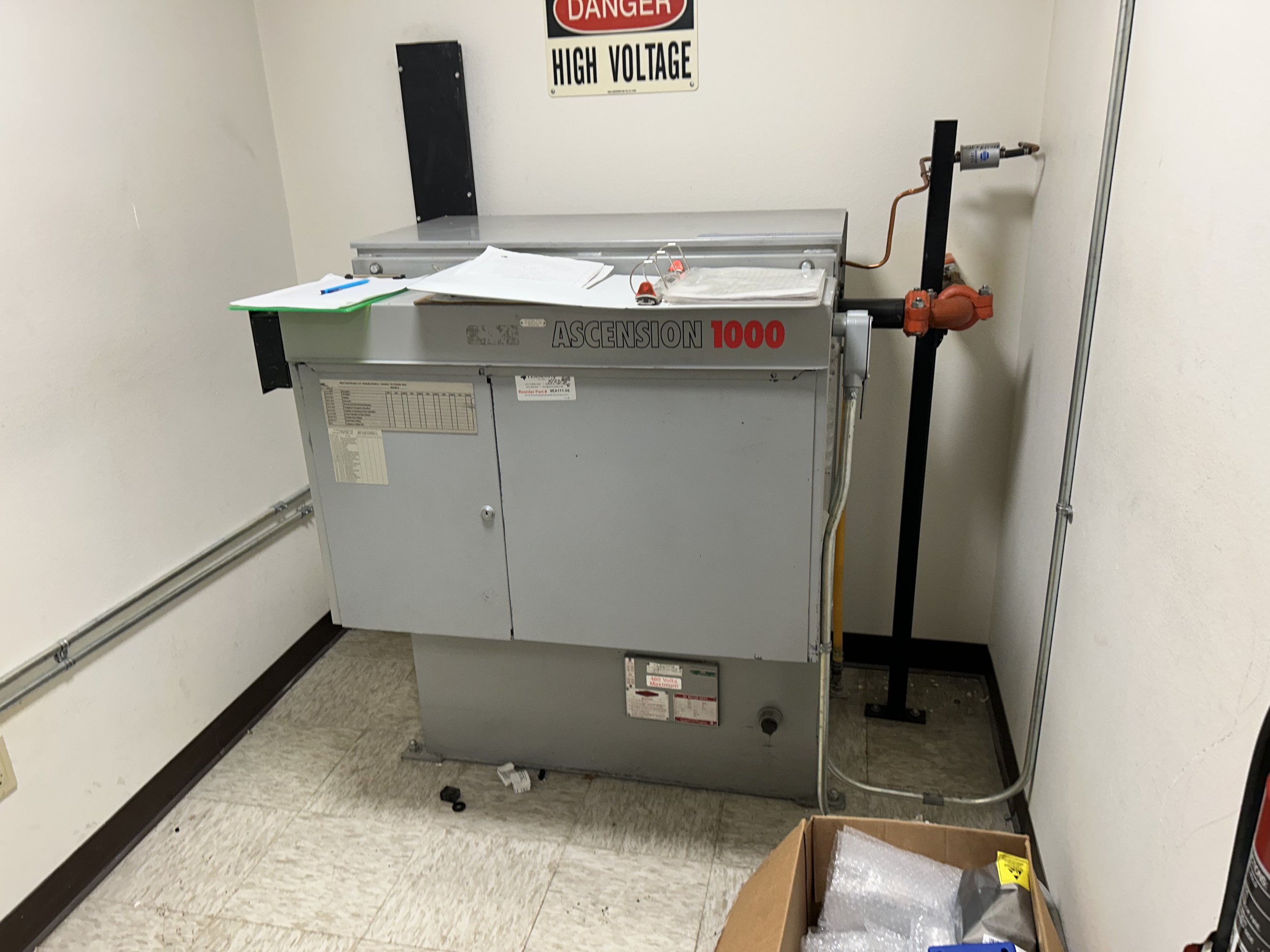
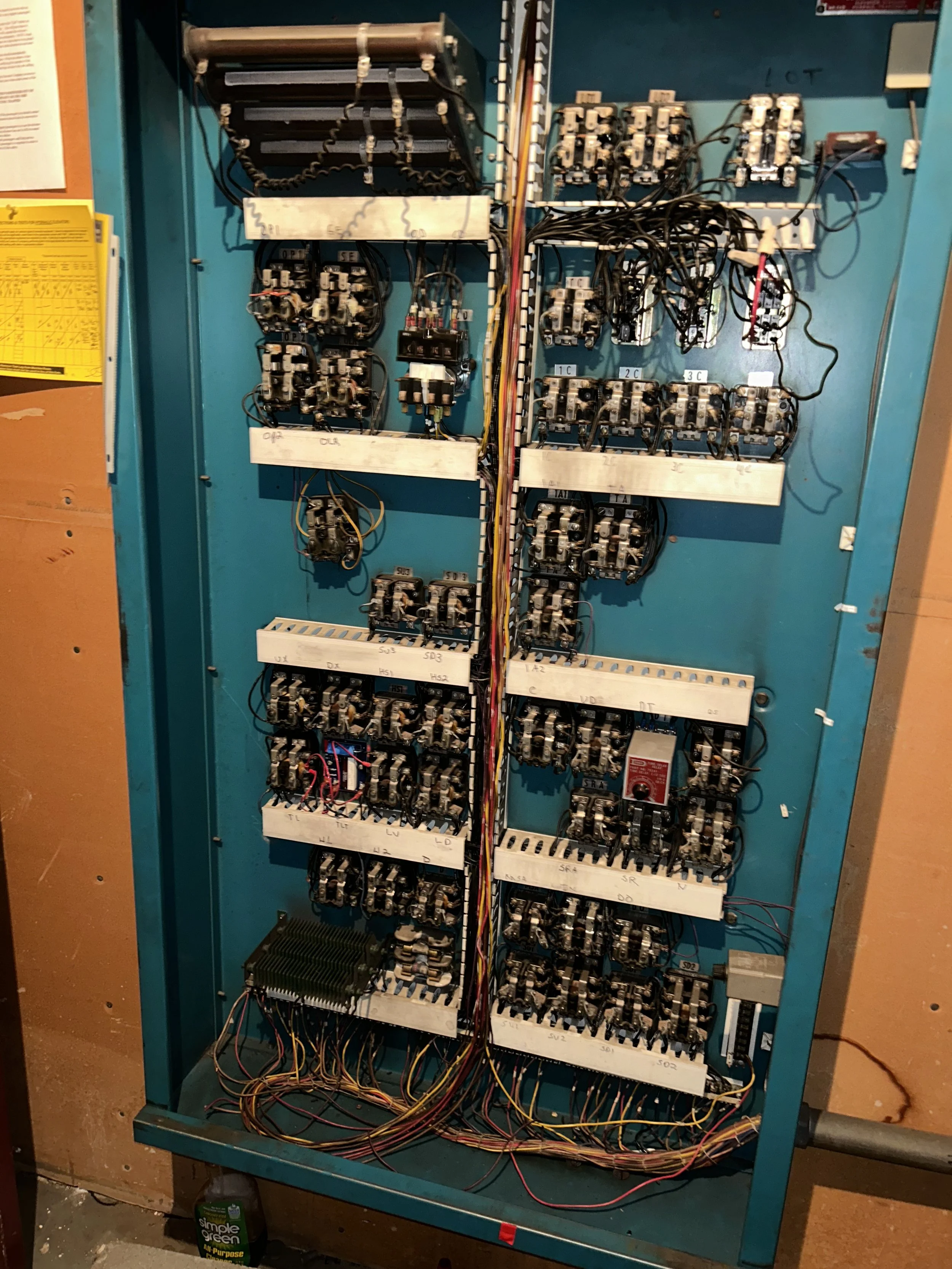
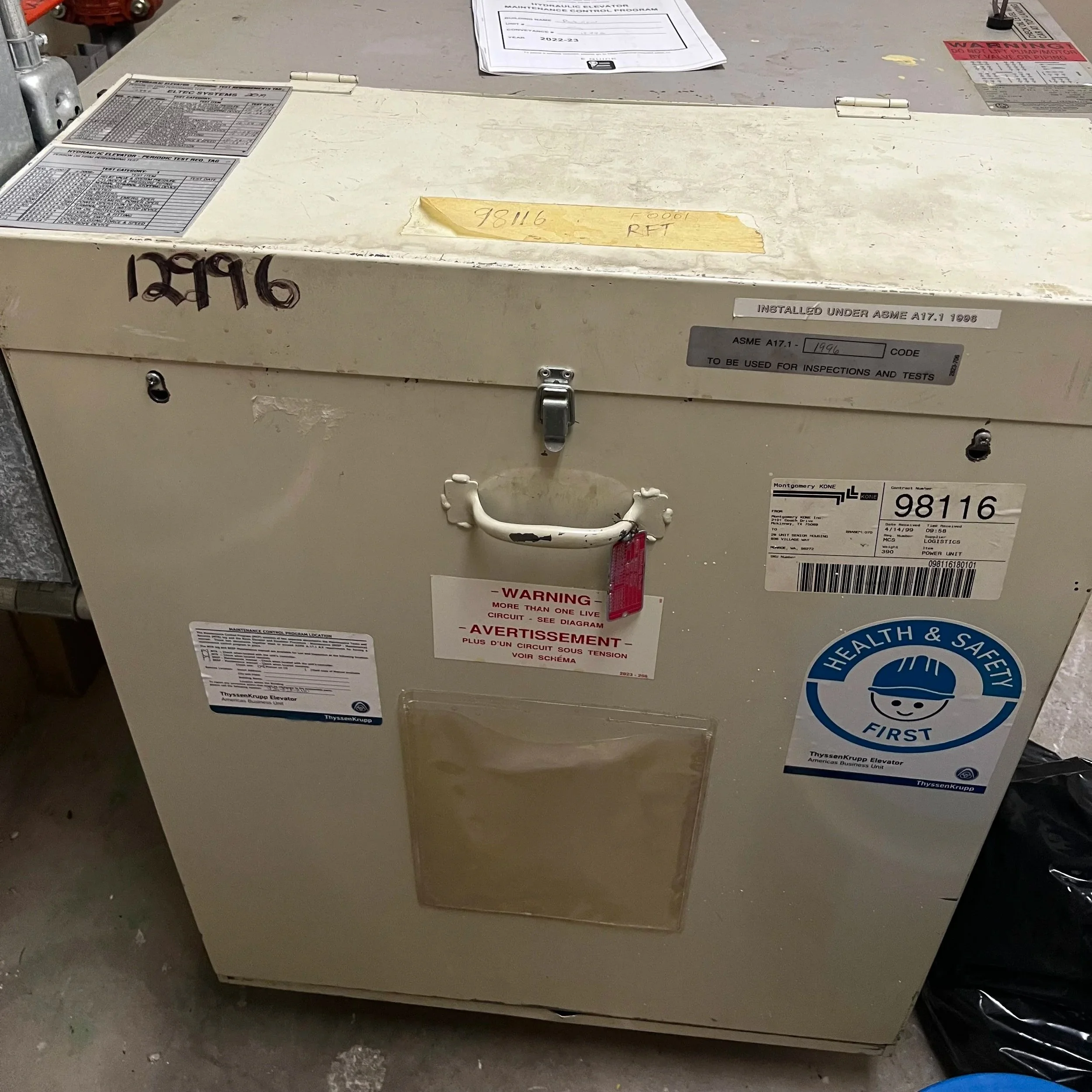
What’s included?
STARTER. Solid-state starters have become the industry standard. Washington Elevator prefers Siemens starters for their reliability, life expectancy and ease of troubleshooting.
BATTERY LOWERING. Battery lowering is an Uninterrupted Power Supply (UPS) that stores enough power to lower the elevator to the next lowest landing and open the doors. While not standard, these have become very common.
LANDING SYSTEM.
Considerations
PROPRIETARY / NON-PROPRIETARY. When exploring modernizations, it is important to consider the manufacturer. While we are biased, we prefer non-proprietary manufacturers like Alpha Elevator Controls or Elevator Controls. Other non-proprietary brands include Smart Rise, Motion Control and GAL. These allow the end-user maximum flexibility as there is no restriction on parts availability, technical support or service manuals. Some non-proprietary brands might have limited troubleshooting or parts availability for other companies. This might limit your service options down the road. Additionally, some proprietary brands tend to be more aggressive in their obsolescence plans.
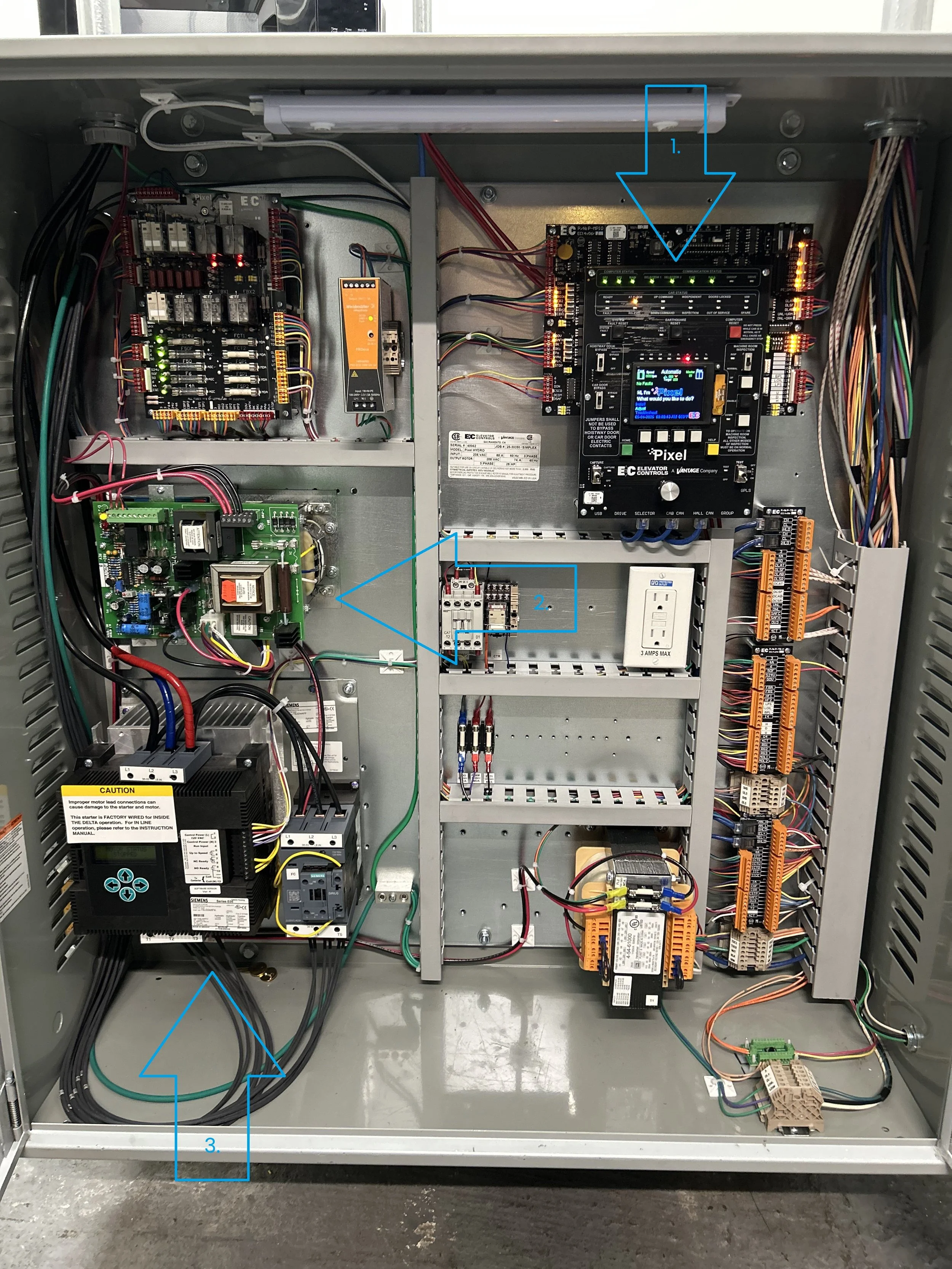
Here’s a modernized elevator controller with the following:
User Interface. Washington Elevator uses non-proprietary controls for all installation. This EC Pixel controller incudes a full-color LCD screen that is simple to read, easy to learn and intuitive to navigate. This is one of three points of access. The other interfaces are in the car operating panel and car top.
Battery Lowering. A Reynolds & Reynolds battery backup helps to assure that power will be applied to an elevator during a power outage so passengers may safely exit the elevator car. It provides enough power for the elevator to descend to the next landing and open the doors, preventing entrapments.
Solid-State Starter. All Washington Elevator modernizations come standard with a Siemens solid-state starter. Benefits include smooth starting, phase loss / reversal protection, noise reduction and improved diagnostics. View my past post about solid-state starters here. [Upgrade - although you’d be hard pressed to find a new controller without a solid-state starter]