

What is a Hydraulic Elevator Modernization? Door Equipment.
What is door equipment? The door equipment is the system that opens and closes the doors. There is equipment that rides on the car and equipment on each floor.
When should I update my door equipment? Door operators are often the first component to wear out because there are so many moving parts. A couple considerations when evaluating your door equipment condition.
OBSOLESCENCE. Some door boards are no longer supported, which can lead to extended downtime.
SAFETY. some elevators were installed with mechanical door reopening devices, or door edges. After decades in use, these are prone to failure, which can cause a serious safety hazard. We don’t like to send blanket recommendations, but in this case, we recommend all mechanical door reopening devices be upgraded to infrared.
LACK OF MAINTENANCE. Unfortunately, lack of maintenance can lead to equipment failure. This is especially true with door equipment. If your provider is not diligent in performing maintenance, it could lead to costly repairs and/or upgrades.
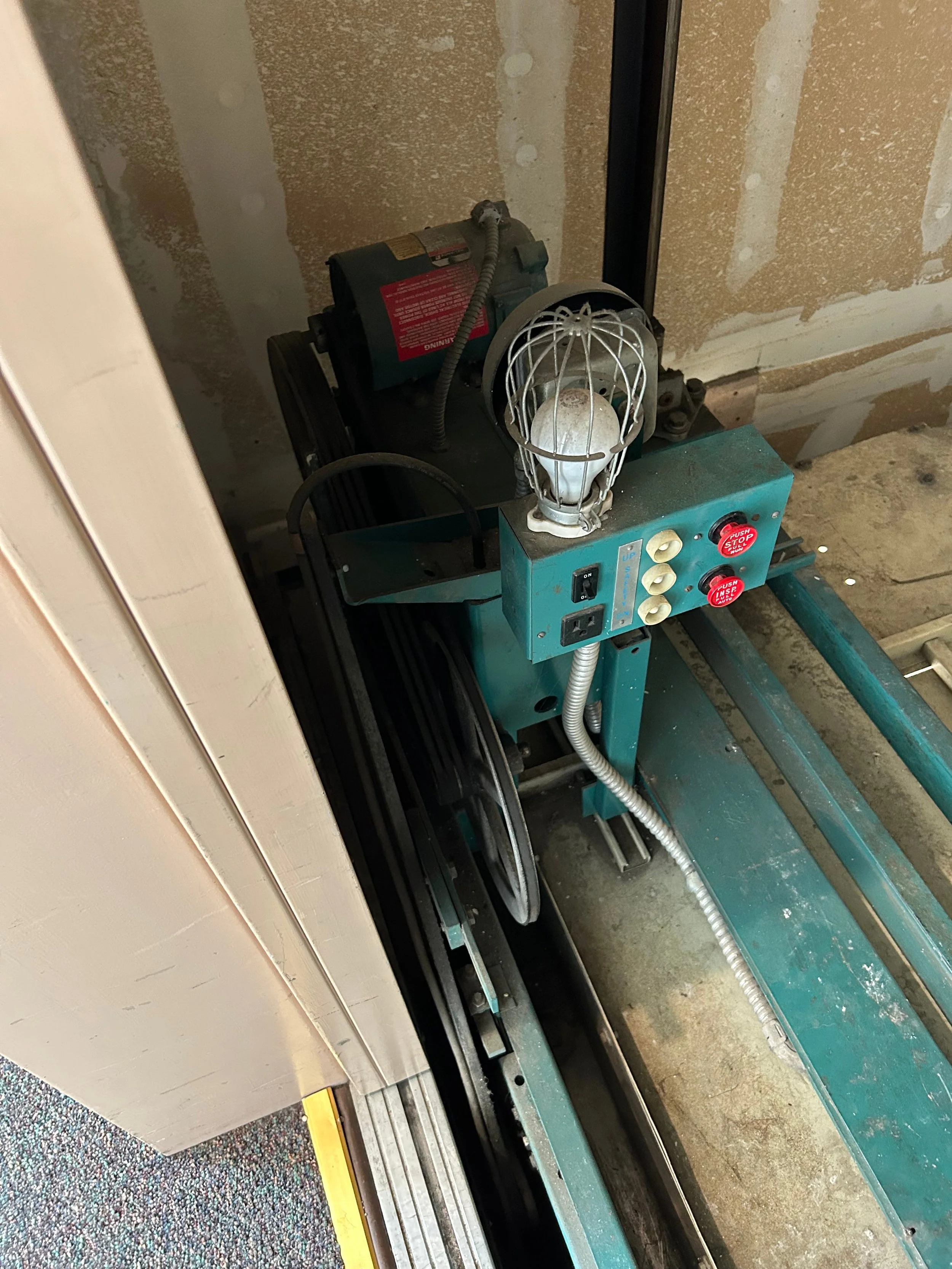
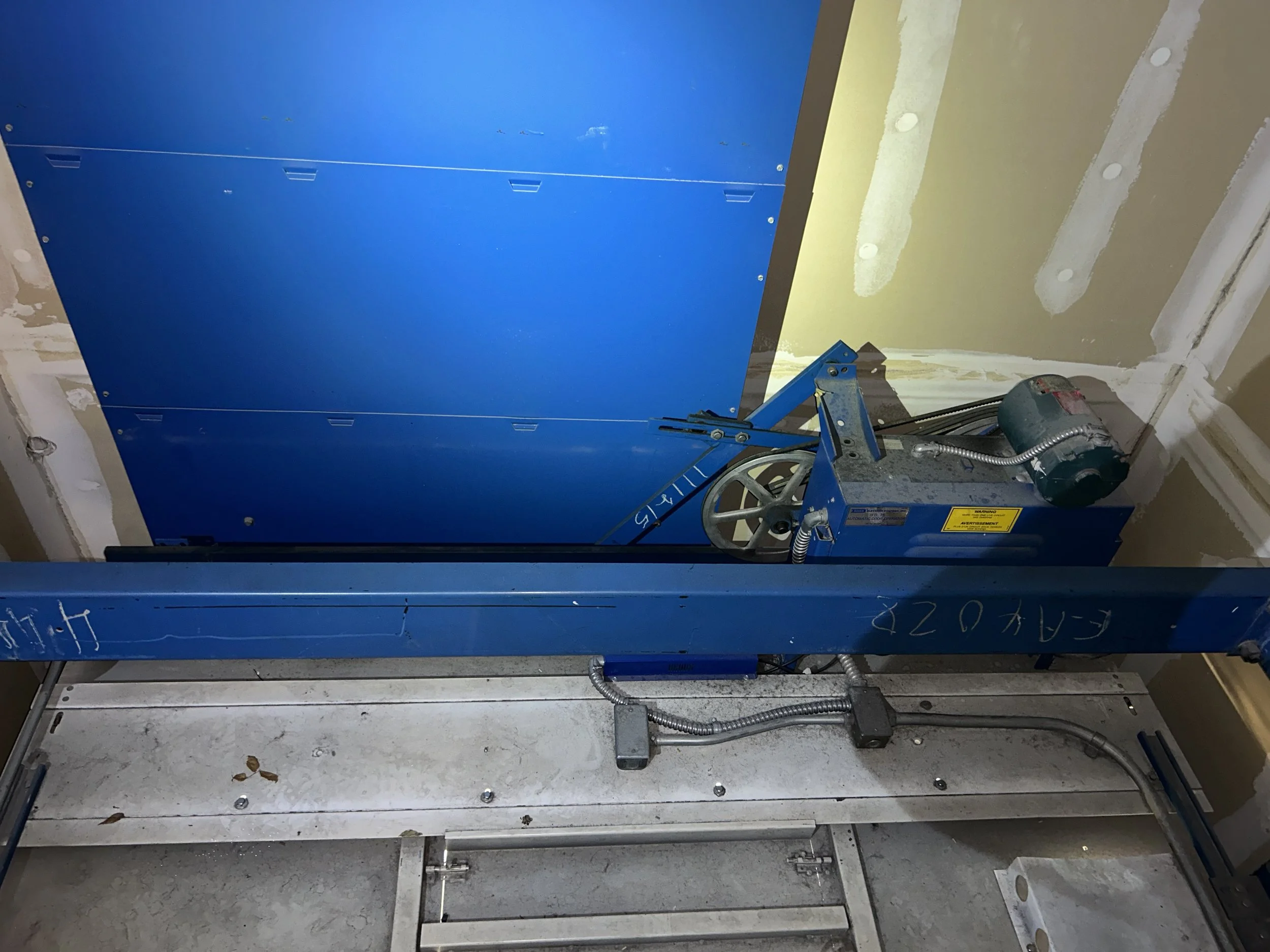
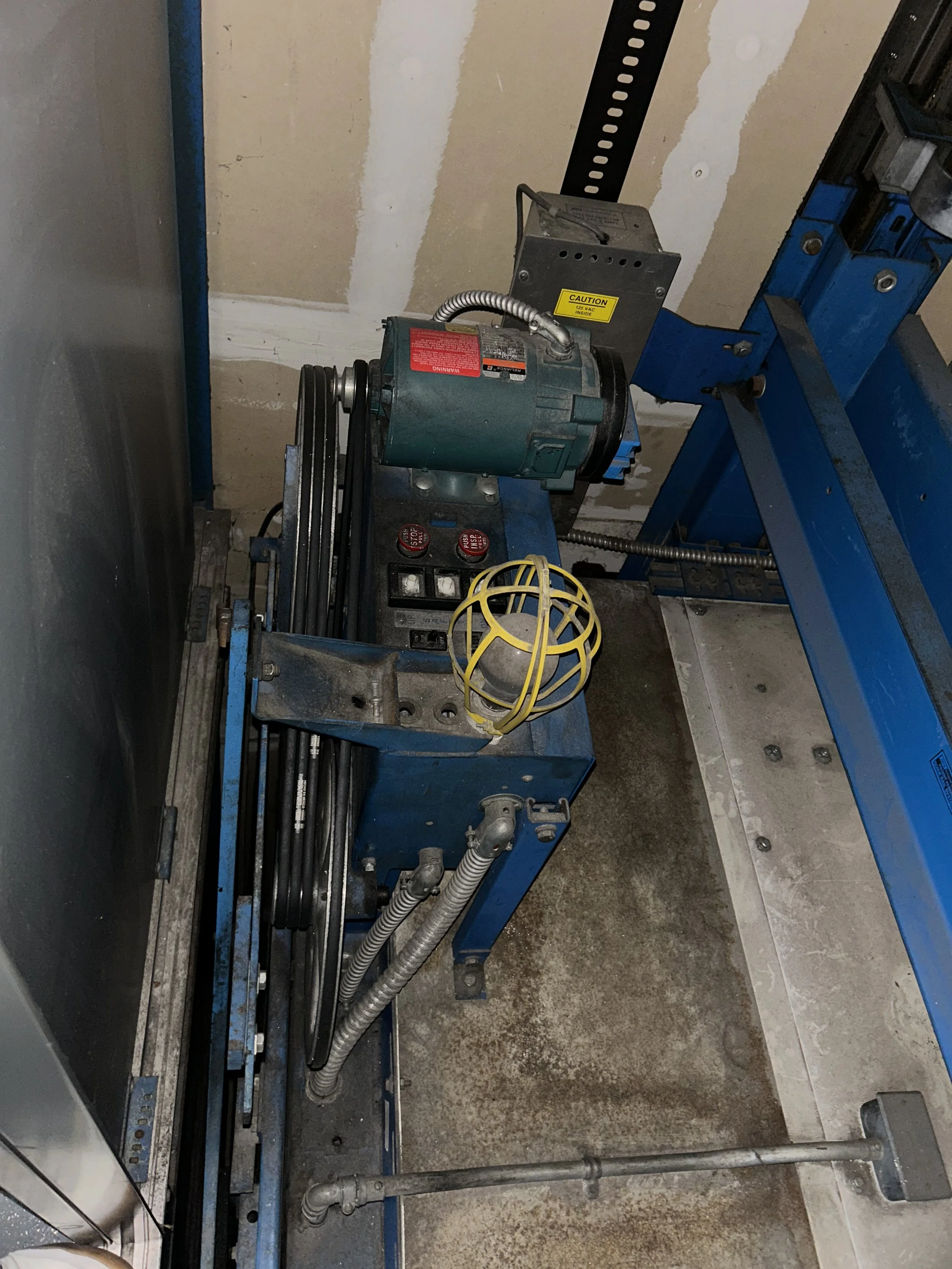
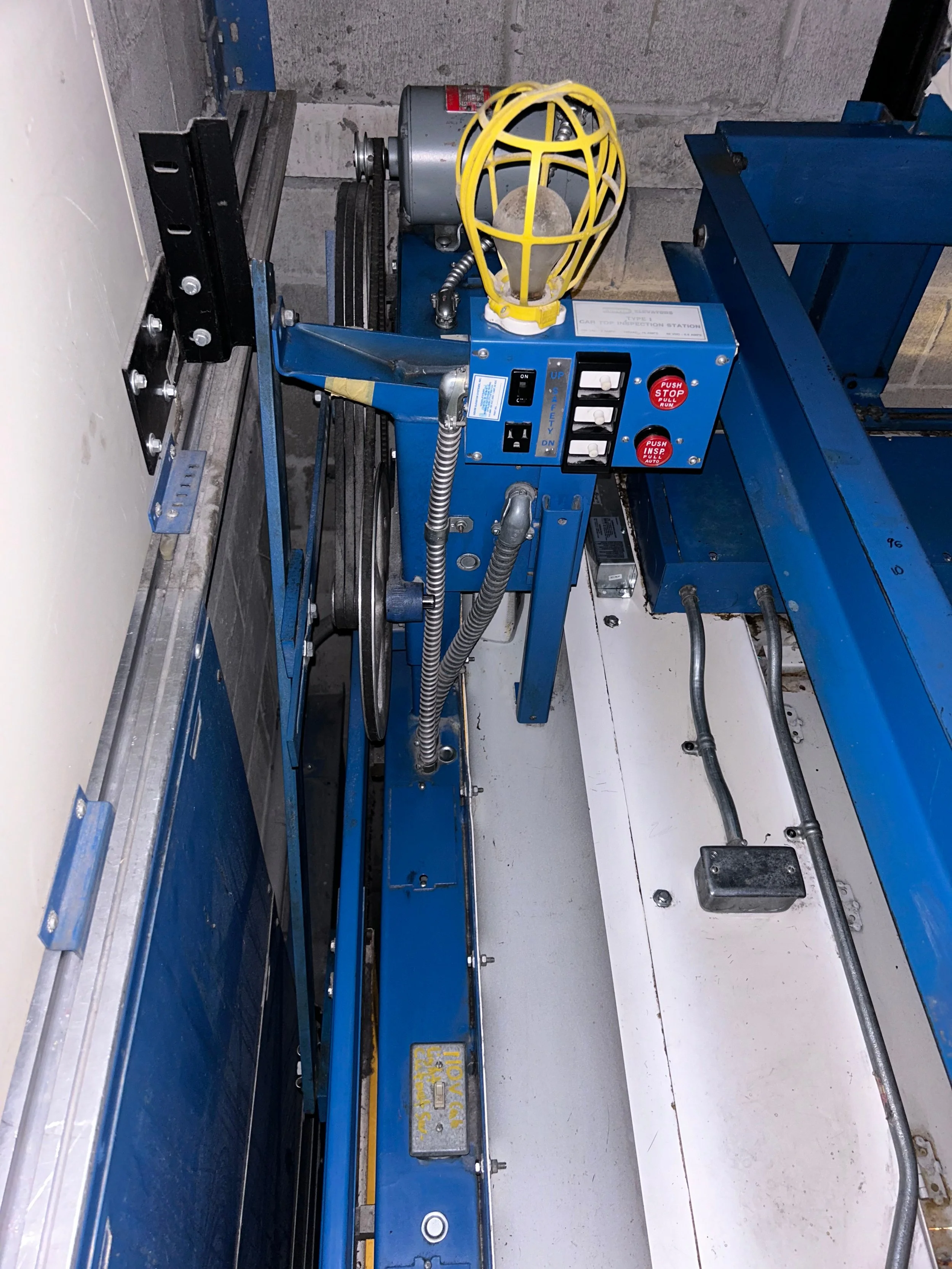
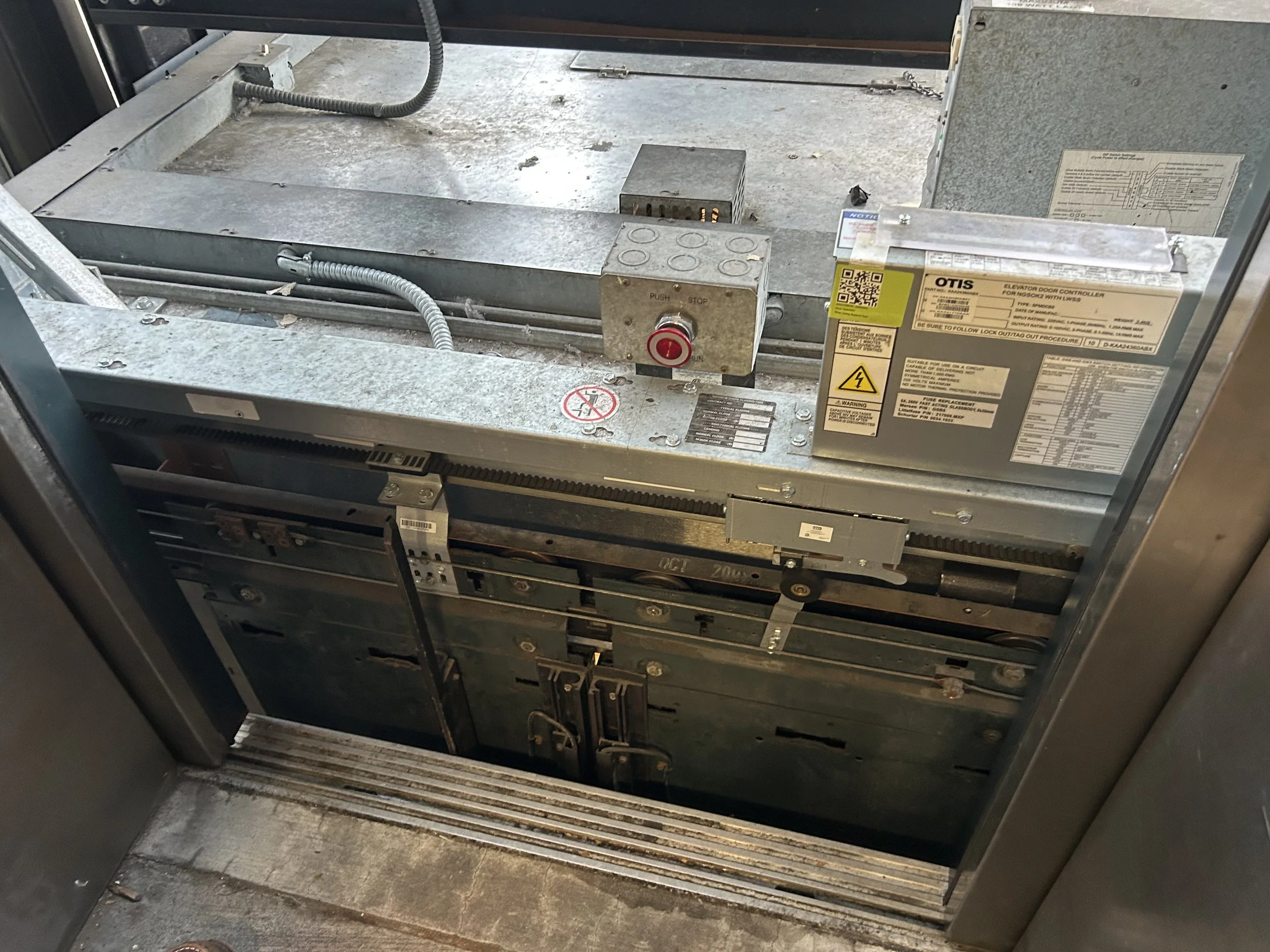
Here are some examples of door operators that should be considered for modernization:
What’s included?
DOOR OPERATOR. The door operator provides power to the doors. It includes a door motor, door board, gate switch, and linkage. Or in the case of linear operators, belts. Older door operators are often controlled with resistors. New ones are solid-state with closed loop technology. Door operators are upgraded during a controller modernization. However, it is possible to upgrade a door operator prior to a controller modernization, depending on the equipment. This is a way to improve operation while spreading out the costs.
DOOR REOPENING DEVICE. Current code requires the door reopening device to protrude into the hallway (3D). Unless you’ve recently updated your door edge, this will be required by code when you do a door operator and/or modernization. If your elevator is not equipped with a 2D infrared reopening device at a minimum, you should plan to upgrade as soon as possible.
CLUTCH. The clutch rides on the elevator door and engages with the pickup rollers on the hall door. When engaged, the door operator will move the car and hall doors. The clutch is typically updated during a door operator upgrade or modernization.
INTERLOCKS. Interlocks provide an electrical and mechanical connection at each floor. The elevator will not run if any interlocks are open. These are typically included in a door operator upgrade or modernization.
PICKUP ROLLERS. There is a pickup roller assembly on each hall door. When the elevator is at the floor, the pickup rollers engage with the clutch, open the interlock and move the doors.
GIBS. Gibs are nylon guides, attached to the bottom of the car and hall door panels. Their primary purpose is to prevent the doors from swinging uncontrollably. As they wear, they can create ride quality issues. If they get really bad, the bolts that hold them in place can wear down the sill, causing larger damage. These are typically included in a door operator upgrade or modernization.
CLOSURES. Hall doors do not have power to them. They move when they engage with the car door. They are “spring-loaded” to close the final inch when the car door clutch releases the hall door pickup rollers. Spirators are commonly used. This is a spring-loaded cable reel. Other options include sill mounted closures or sash weights.
PANELS. Car and hall door panels are what you see in the lobby or hall. These can be stainless steel or painted steel. These are often retained during a modernization. But they can be replaced if the existing panels are dented or scratched. Or if you want to change the look.
SILLS. Car and hall sills are the “tracks” that the door gibs ride in. These are typically retained and refurbished during a modernization. If they are damaged (typically due to lack of maintenance), they can be replaced.
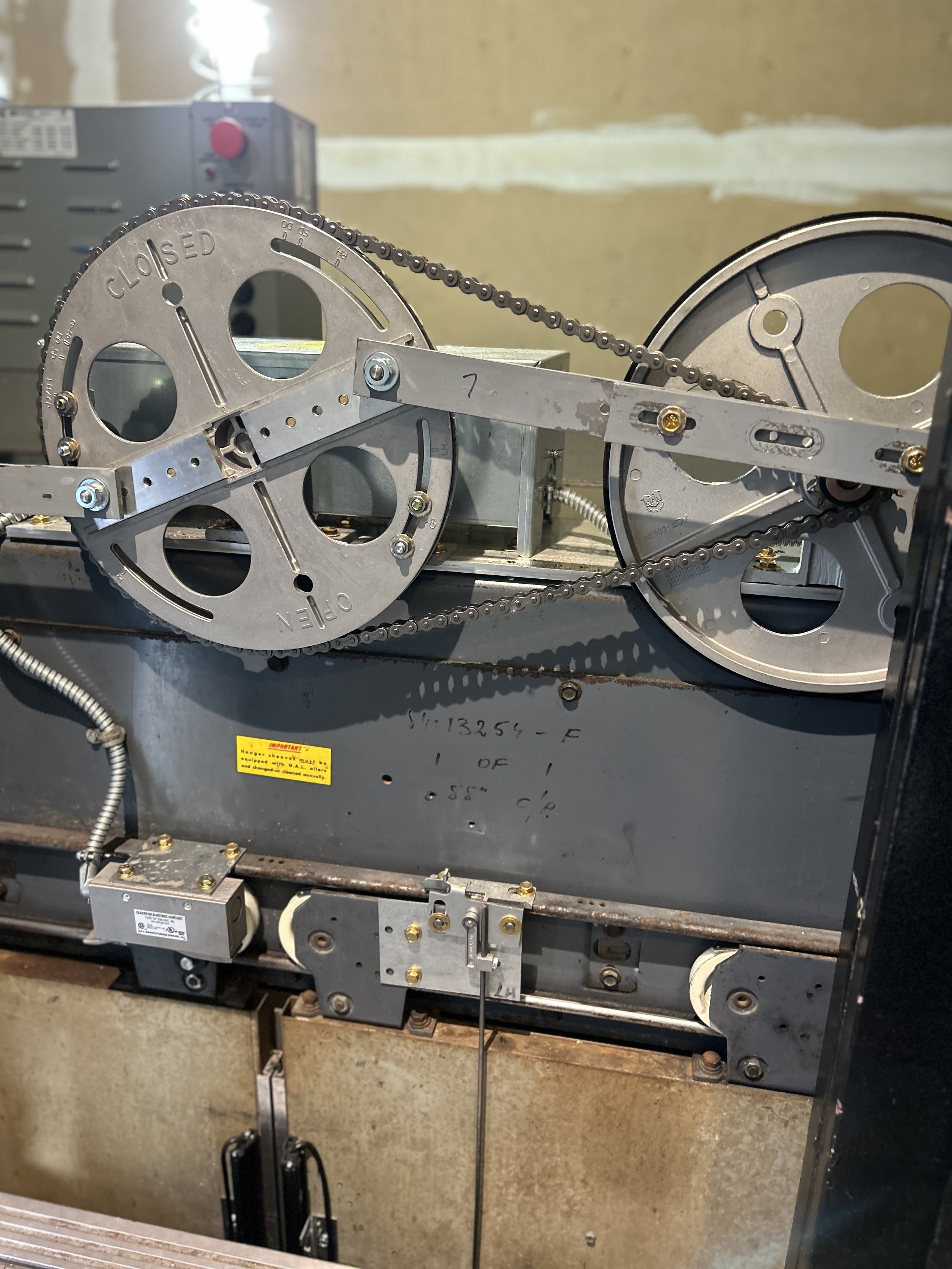
GAL MOVFR II
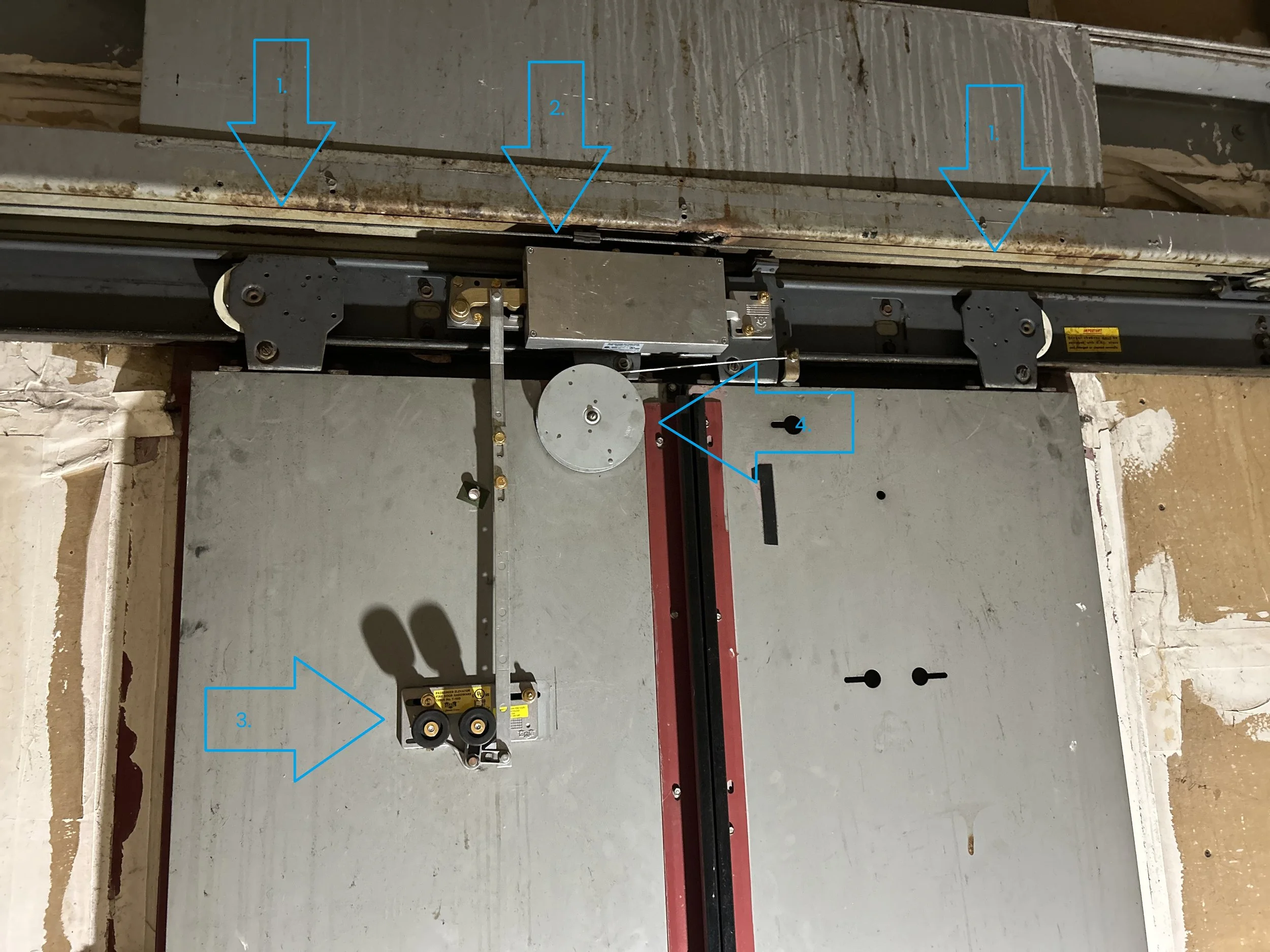
Hoistway door equipment
Here’s a summary of the hall door equipment.
Hanger rollers. The hall door panels hang on the track by hanger rollers. These allow the doors to roll smoothly (on not). Code does not require these to be changed during a modernization, but they come standard with a Washington Elevator project. [Serviceability improvement]
Interlock. The interlock performs multiple functions. It physically locks the door closed when the elevator is not there to avoid a fall hazard. And it electrically signals that the door is closed so the elevator can safely move. These are replaced on all Washington Elevator modernizations. [Serviceability improvement]
Pickup Roller Assembly. Remember, the hall doors do not have power. They open and close when the elevator is at that landing and the clutch engages with the pickup rollers. The pickup rollers lift the interlock when engaged. [Serviceability improvement]
Spirator. A spirator is a spring loaded device that pulls the doors closed after the clutch releases the pickup rollers just before the doors closed. Again, replaced on all Washington Elevator modernizations. [Serviceability improvement]