

This is part of a five-part series exploring hydraulic elevator modernizations, the major components of a hydraulic elevator and when to plan for modernization.
Part 1: What is a Hydraulic Elevator Modernization?
Part 2: What is a Hydraulic Elevator Modernization? Controller.
Part 3: What is a Hydraulic Elevator Modernization? Fixtures.
Part 4: What is a Hydraulic Elevator Modernization? Door Equipment.
Part 5: What is a Hydraulic Elevator Modernization? Hydraulics.
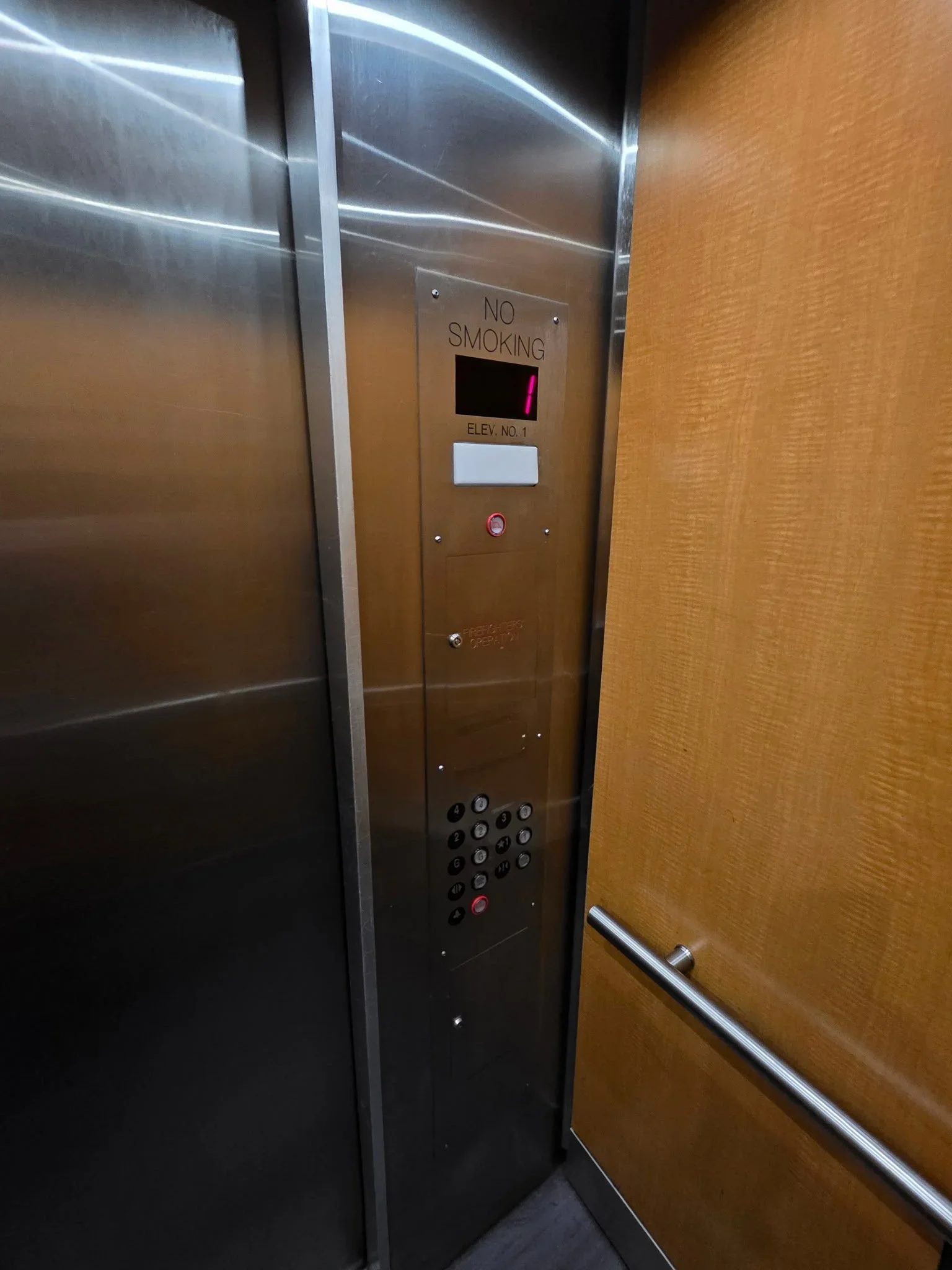
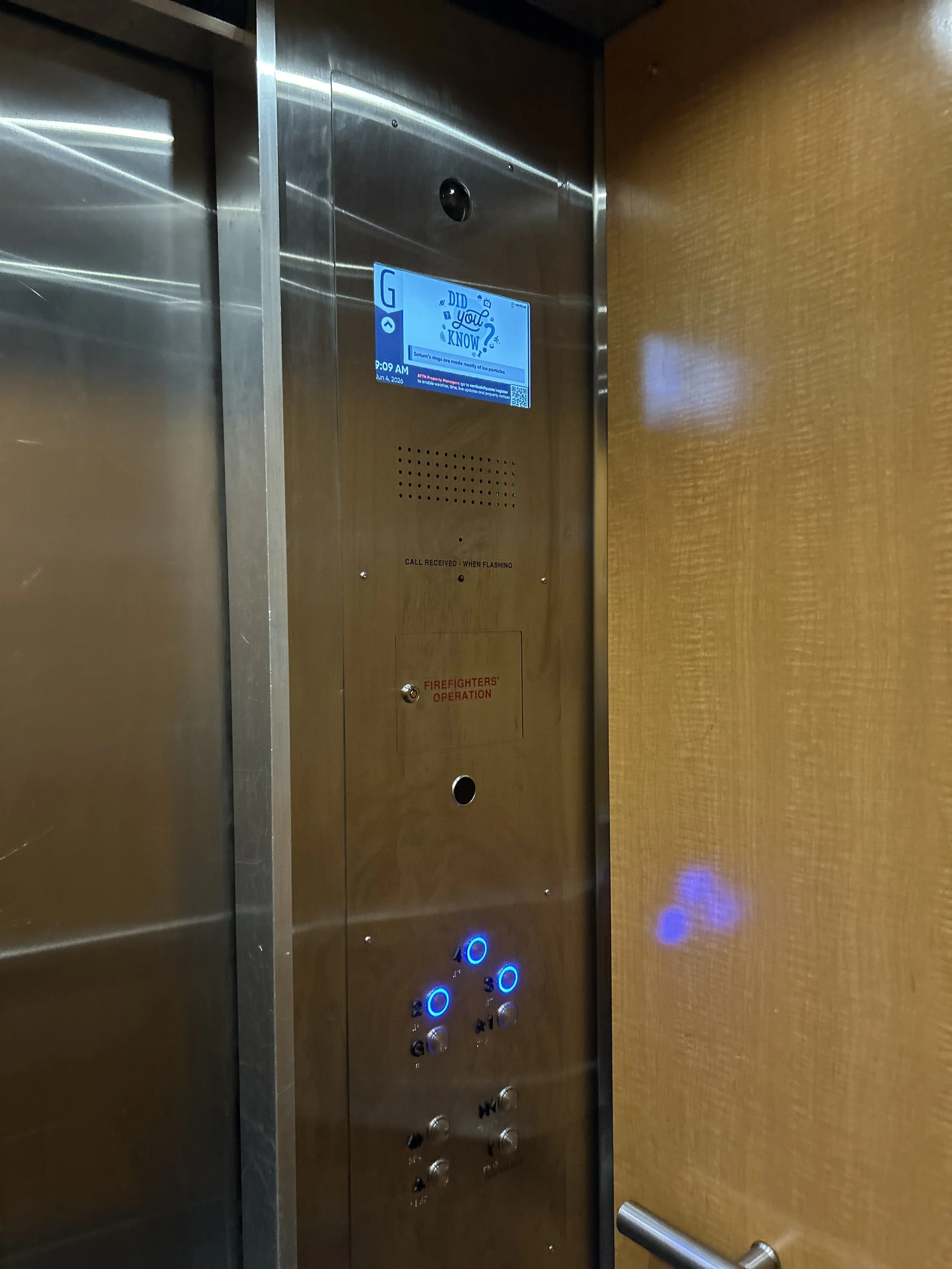
This is a series I’ve been intending to write for quite a while now. I want to take a deep dive into the question of “What is a modernization?” Because this can mean different things to different people. There is no shortage of elevator companies and consultants recommending modernization. And there are absolutely times when Washington Elevator will recommend it too. But modernization is a significant investment, and the decision should be based on the condition of your equipment, reliability, parts availability, building needs, and long-term plans. AI says that “Elevator modernization is the process of upgrading older elevator components with new technology to improve safety, performance, energy efficiency, and reliability. It involves replacing outdated mechanical and electrical parts—such as controllers, motors, and door operators—to meet current building codes, reduce maintenance costs, and enhance user experience.” That’s generally true. Let’s dive into more detail.
As far as the AHJ (the City of Seattle or Washington State L&I for this purpose) is concerned, a modernization is when you upgrade the elevator controller. Elevator modernizations often include components in addition to the controller. Here’s why…
When you modernize the elevator, you must bring the entire system up to the current code. As of this writing, that’s ASME A17.1-2019.
A new controller might not communicate with older components.
When you are making the significant investment required for a modernization, it makes sense to also update outdated components.
Building owners and managers might have different goals that they are hoping to accomplish with a modernization. These include improving reliability, safety, performance, energy efficiency and upgrading obsolete or worn components to avoid unexpected downtime. My recommendations often vary based on the type of equipment. Sometimes a controller upgrade is needed. Other times, a building owner might want to do everything except the controller. Again, it depends on the goal and, of course, the budget.
Let’s dive into the various components of an elevator and how they would fit into a modernization project. For this series, I will be focusing on hydraulic elevators. I’m going to make some generalities and discuss codes specific to the City of Seattle and State of Washington. Most elevators companies have a hydraulic elevator modernization package. I’m going to lay out Washington Elevator’s approach to modernization and provide you with some questions to ask when evaluating a proposal for a hydraulic elevator modernization package.
This series of posts will explore the different systems of a hydraulic elevator:
Controller
Power Unit
Door Operator
Fixtures